
 Image 1 of 1
← Samples →
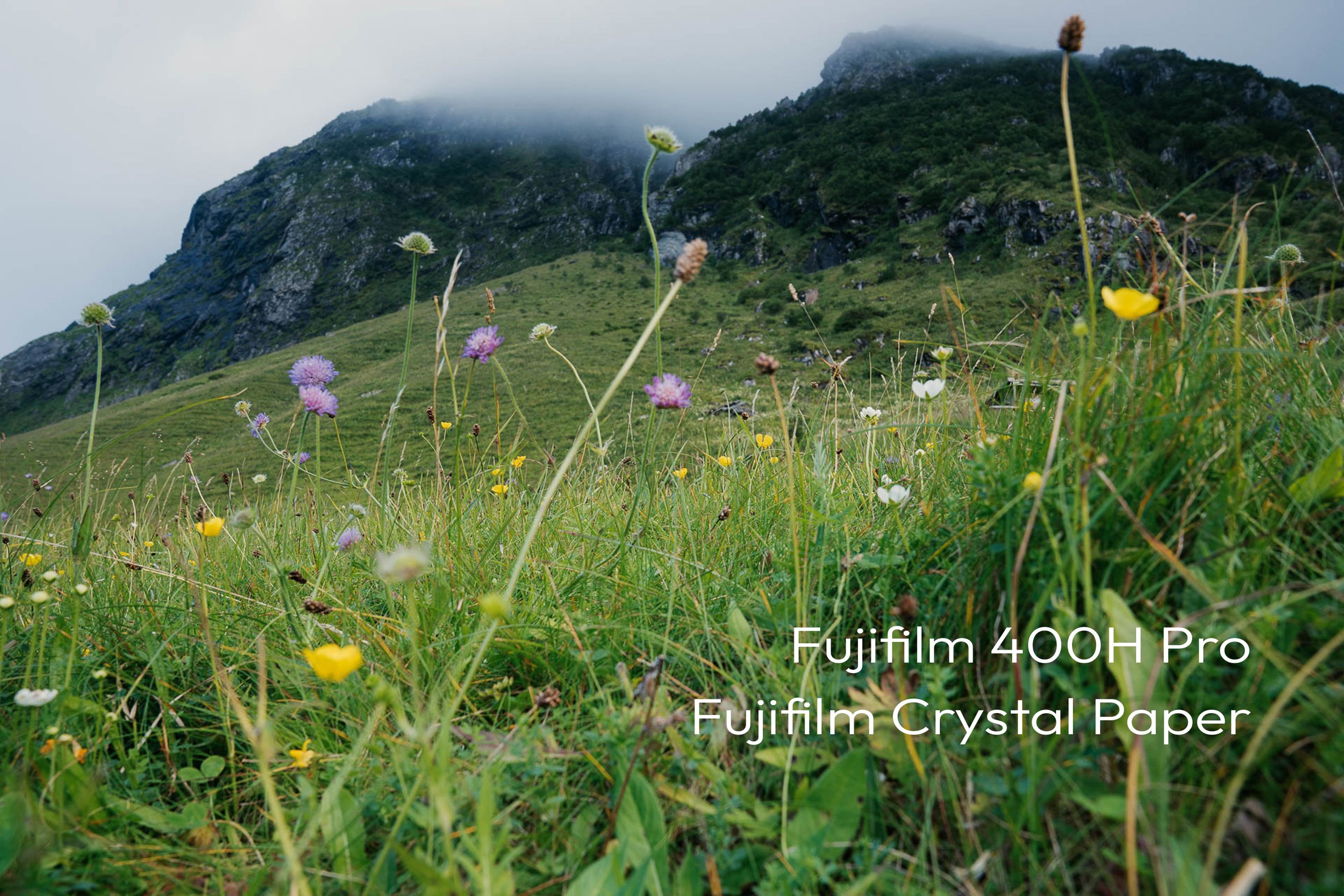
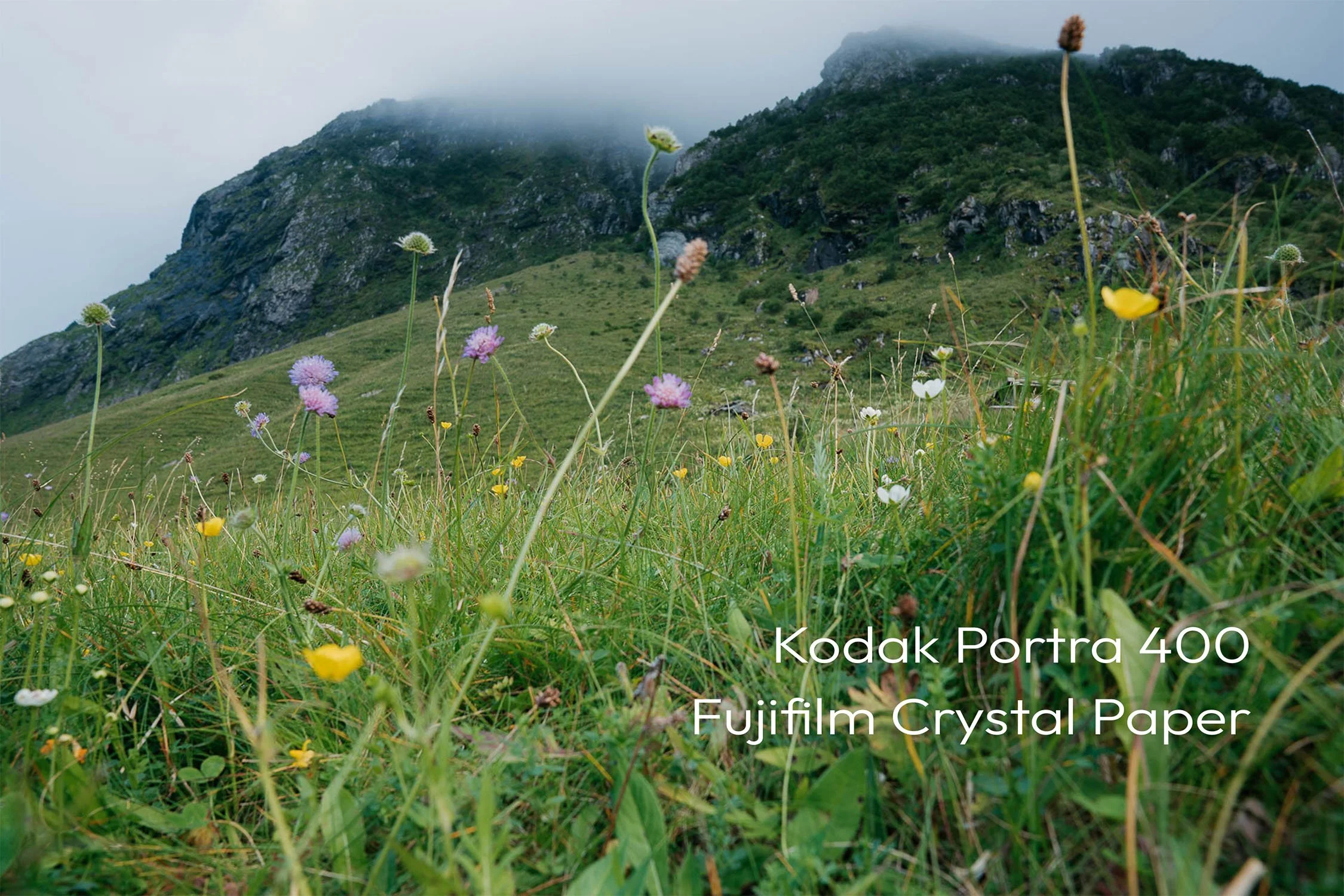
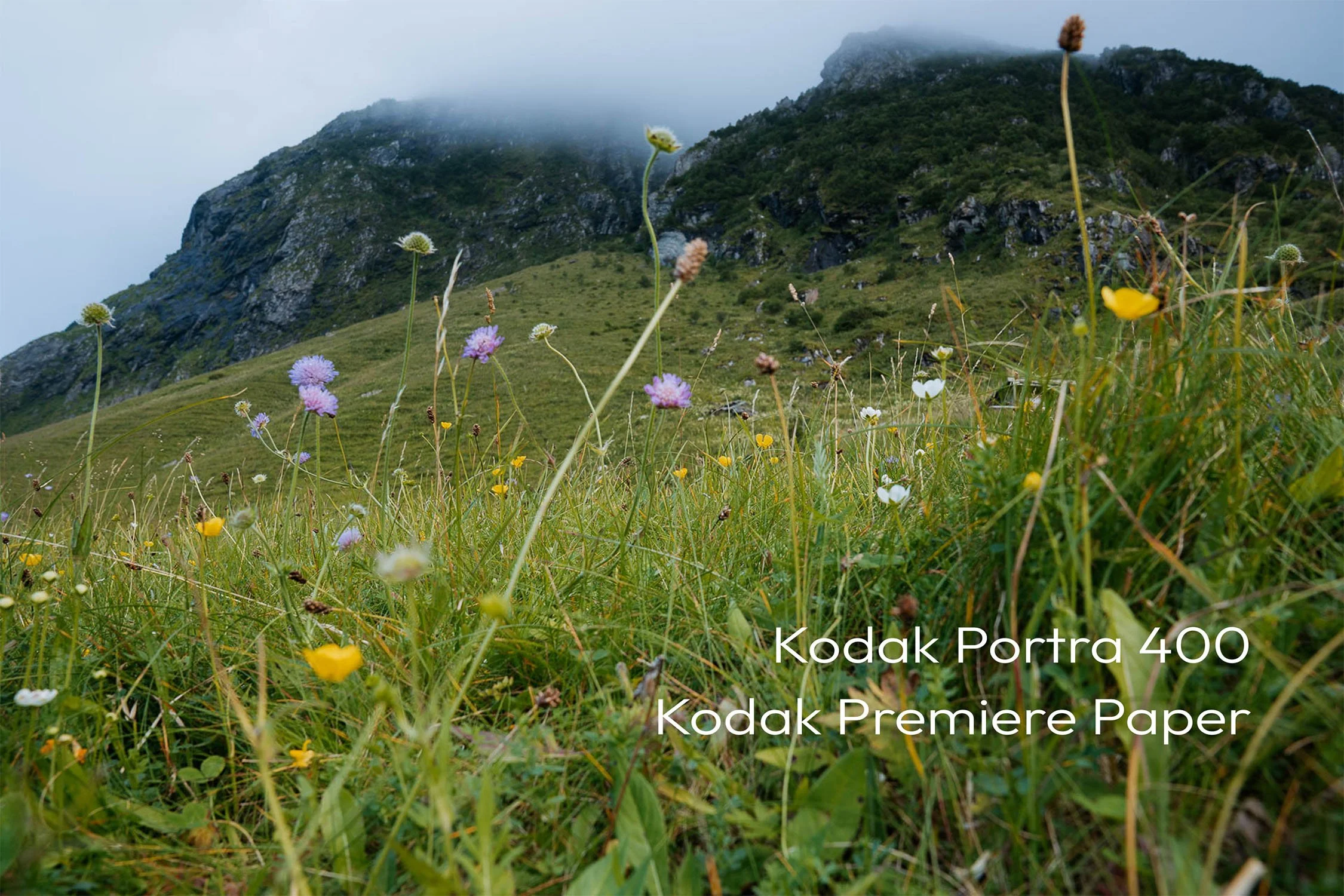
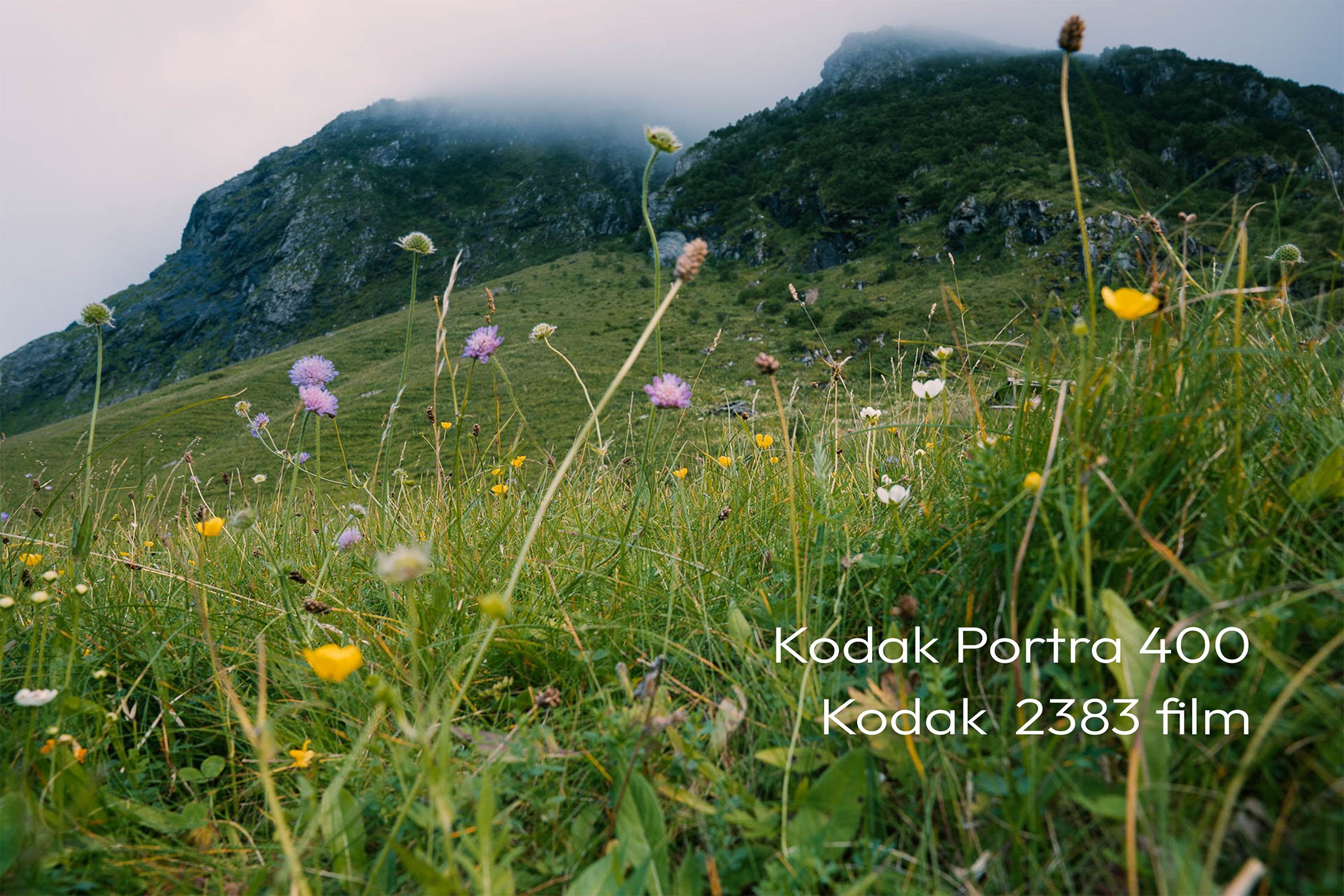
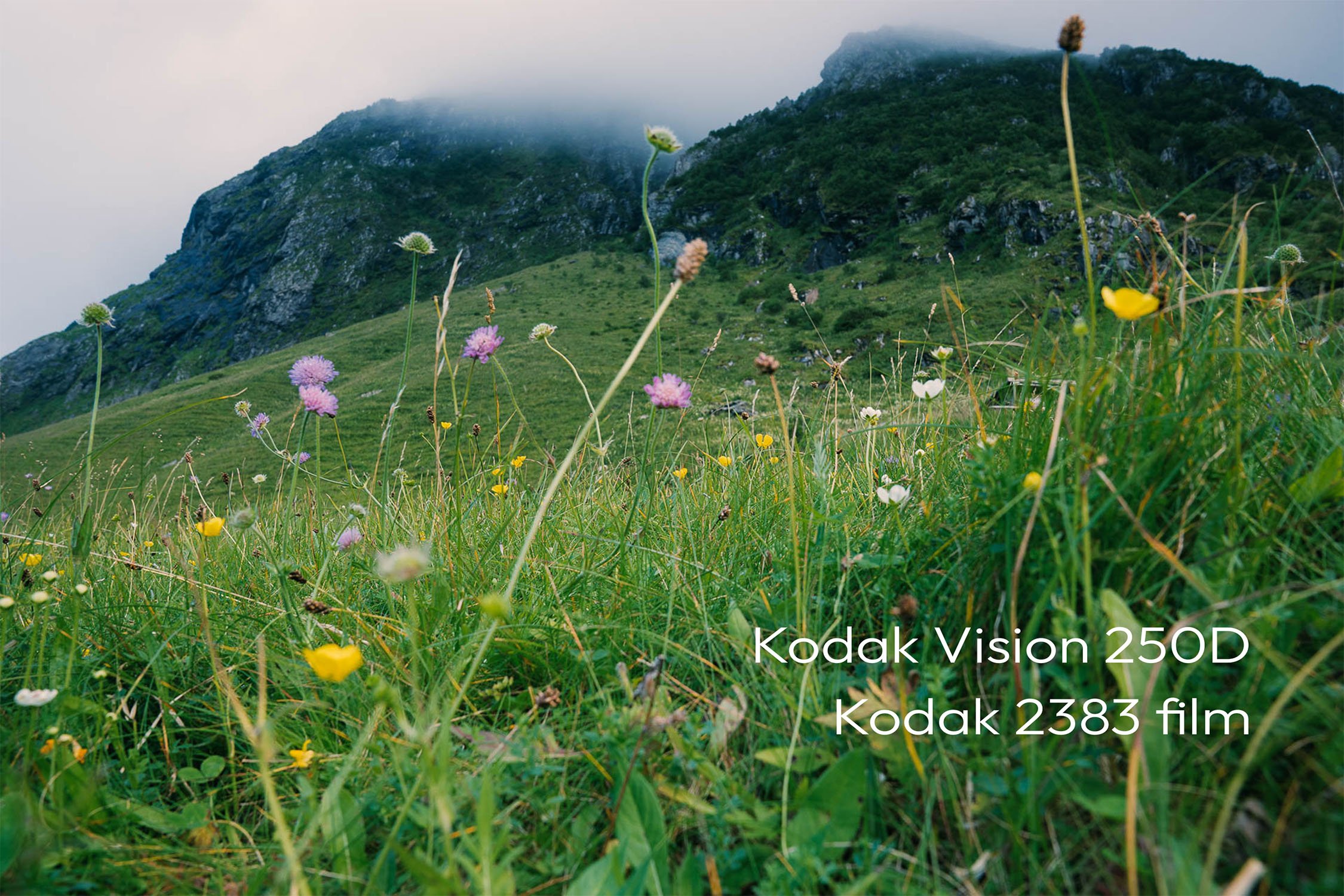
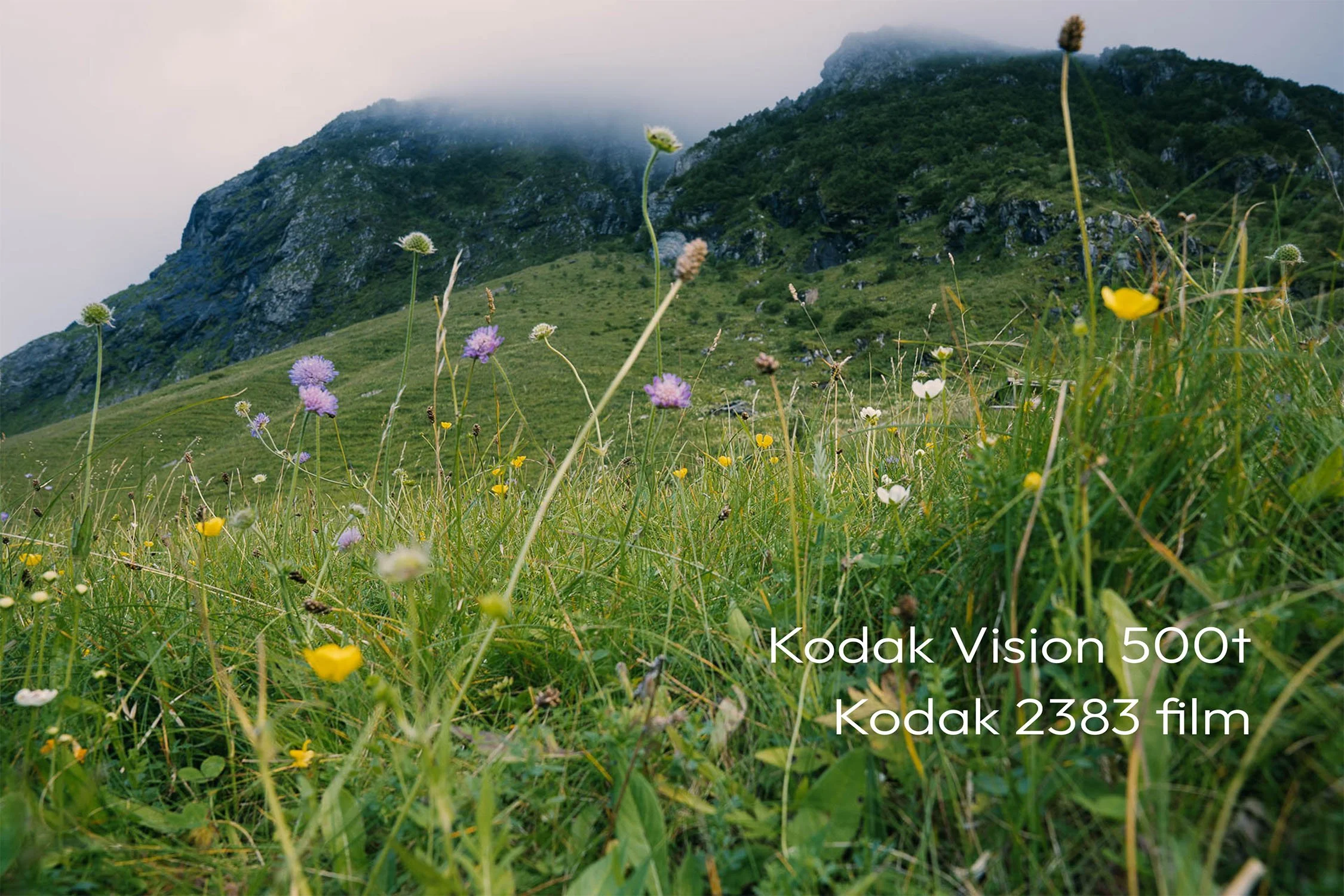
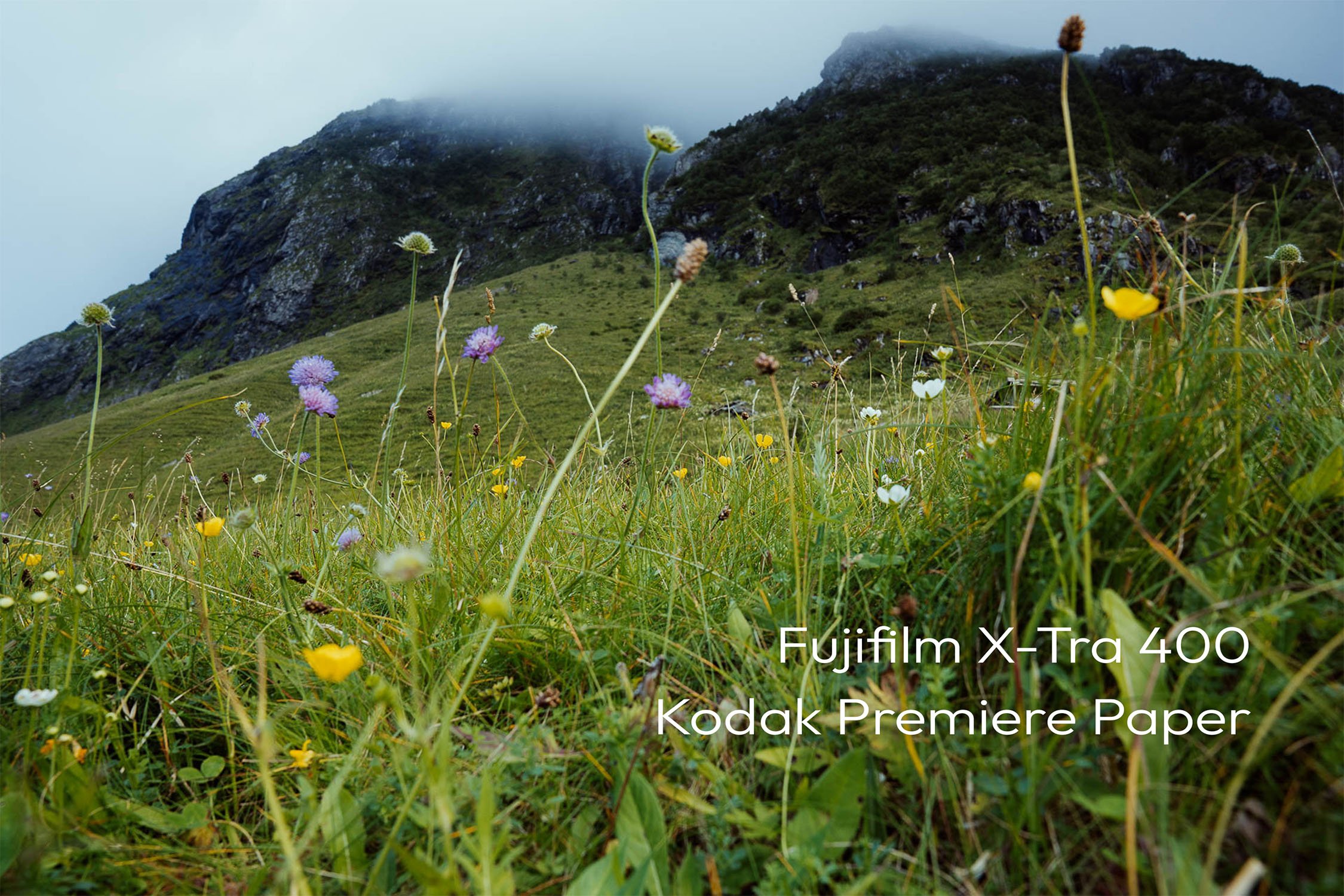
True film simulation
Original → Negative → Positive
Our profile development process uses precise sensitometric data from both negatives and positives to simulate film color response. The simulation results are then transformed into Lightroom profiles for convenient and fast usage. Other film characteristics like highlight roll-off, grain, black point lift can be achieved with the included presets.

Original Image
The original image is converted into spectral data in preparation for a real film simulation pipeline.

Negative
The negative is exposed to the spectrum and developed. We have 13 negatives to choose from (yes, we profiled Portra).

Positive
In a true analog workflow, the positive is where the image comes to life. We have both paper and film positives.
More than presets.
Profiles.
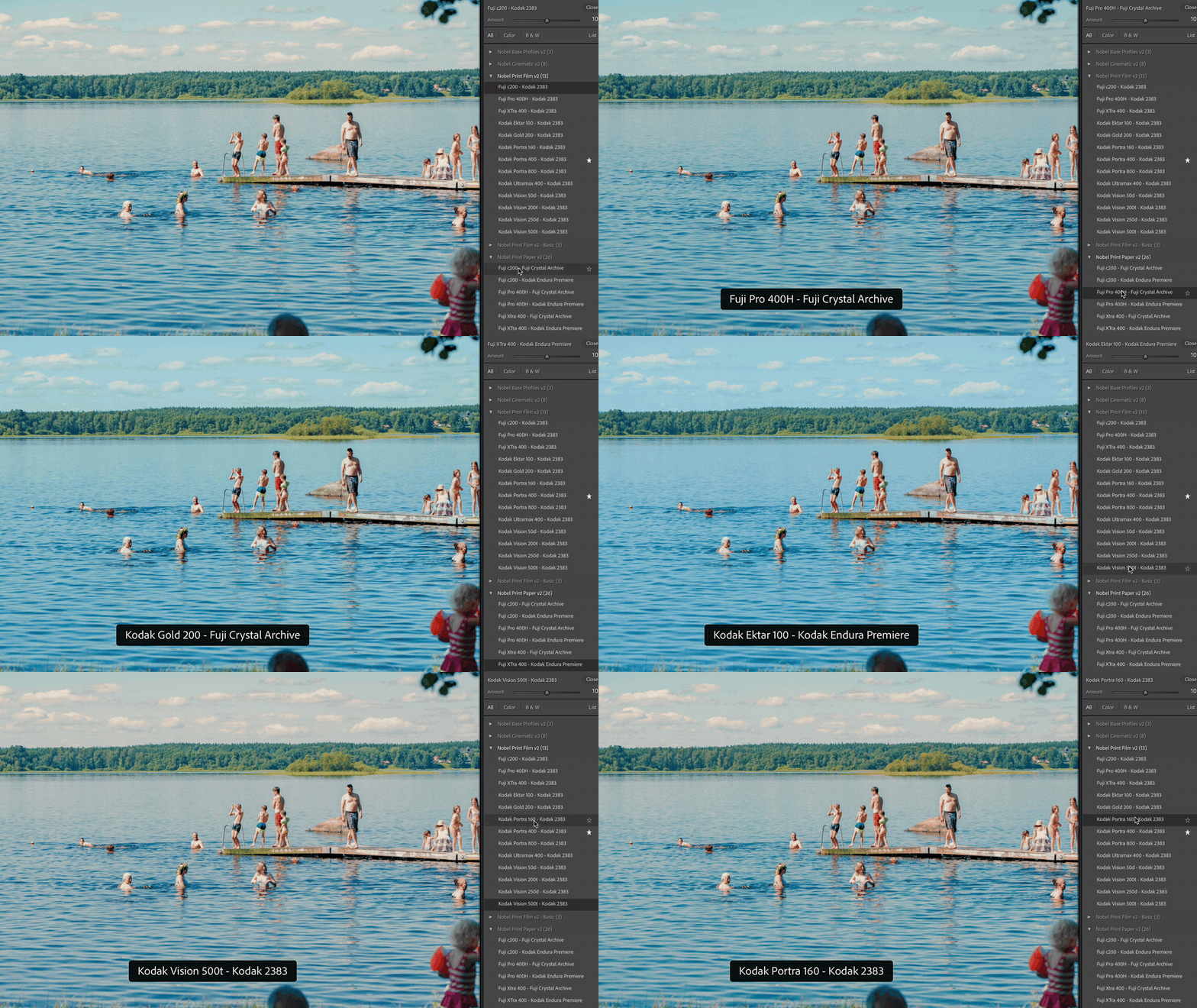
Each one of our 39 profiles simulates the entire analog photography pipeline: negative exposure, development, positive print and development.
1 Sample profile
-
![]()
Portra 400 + Fujifilm Crystal
Our number 1 profile, for free. Portra 400 True-to-life color. Neutral warmth and smooth tonal roll-off. Restrained saturation that gives flattering, consistent skin tones. Printed on Fujifilm Crystal Paper you get the best Portra has to offer.

Design choices
-
The profiles do not apply highlight rolloff or faded black point by themselves. We believe that is better accomplished using Lightroom curves to avoid imposing our guesses on you. The included film emulation presets and curves will support you on that aspect.
-
Clipping is good. We do not forbid it, so you can get help from Lightroom to visualize the blown out areas. Moreover, Lightroom’s built-in highlight handling algorithms is much better than can be accomplished with profiles alone.
-
We painstakingly calibrated each simulation to maintain middle grey as neutral as possible. For the most part we succeeded, so it is very easy to compare the effect of each profiles on the colors without annoying color casts.
-
Film saturation come from complex interactions between layers and dye couplers. We did simplify the models of these phenomena, which opened margin for interpretation. Therefore Kodak Gold 200, for example, was intentionally left with lots of saturation, whereas Kodak Portra was left more controlled.
-
Some profiles are similar to one another, notably Portra 800 and Ultramax 400. This was a bit surprising to us, but we follow the science wherever it takes us. Indeed, take a look at these stocks’ specsheets and compare the sensitometric data: it is surprisingly similar. Combining that with the removal of highlight rolloff and black fade, and our accurate middle grey calibration, we simply made it visually clear that these stocks have more similarities than differences.
Full Contents
Profiles
DCP Base profile
Adobe Linear
Nobel Print Paper v2
Kodak Portra 400 - Fuji Crystal Archive
Presets
Nobel film components v2
Bloom - none
Bloom - medium
Grain - none
Grain - coarse
Grain - medium
Grain - fine
Nobel film curves v2
Curves - Kodak Portra 400
Nobel Film Emulation v2
Full - Kodak Portra 400